mi茅rcoles, 17 de diciembre de 2025

Merry Christmas!

馃巹 CHRISTMAS TIME! 

Learning English with Christmas 馃巹

Christmas is a special time of the year, full of lights, music, family and traditions. In English class, Christmas is also a great opportunity to learn new vocabulary and discover how people celebrate this festival in the United Kingdom. Let’s enjoy Christmas while learning English! 馃巺✨


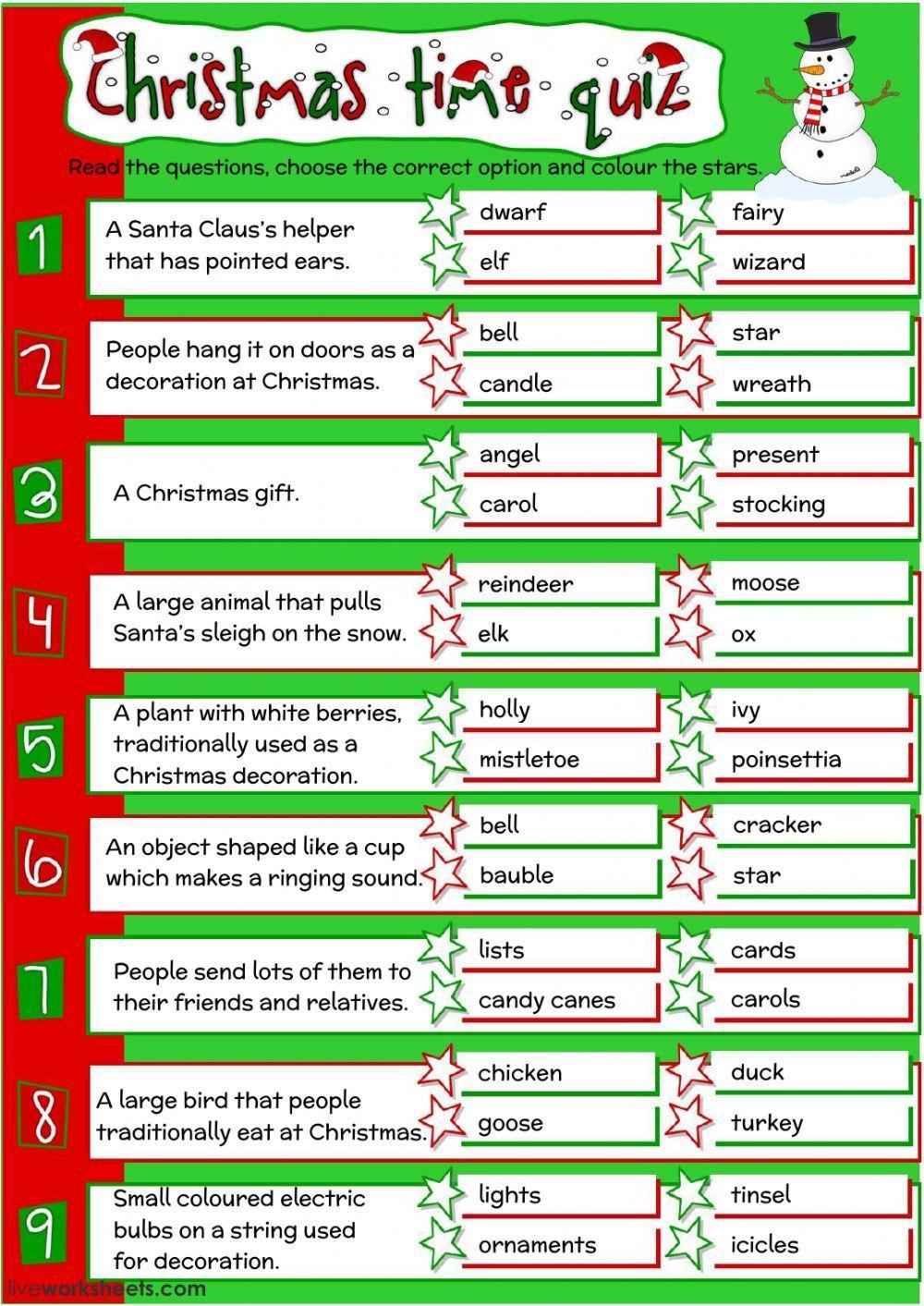
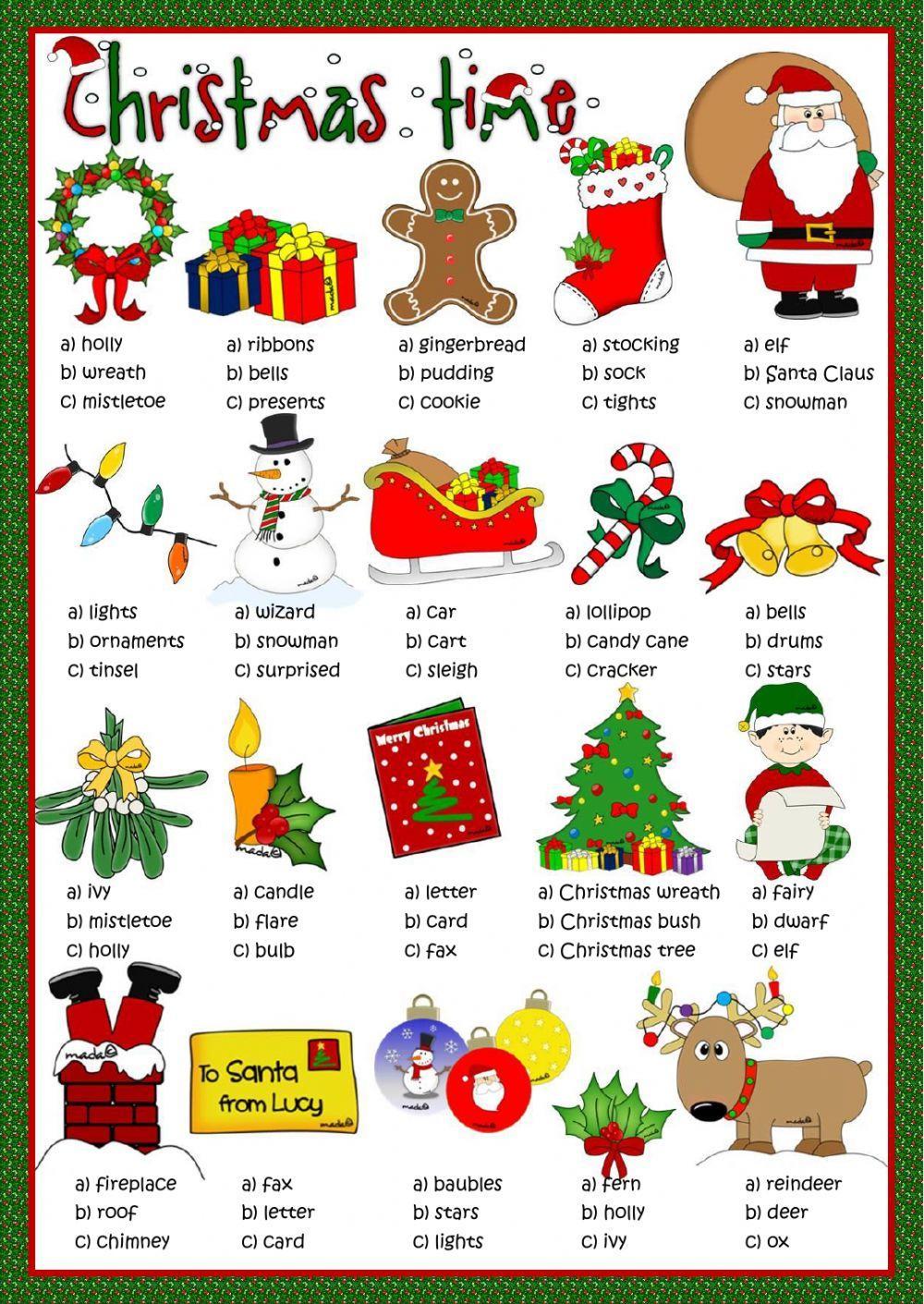
馃巵 1. Christmas Vocabulary

Here is some basic Christmas vocabulary you should know:

People & Characters

  • 馃巺 Santa Claus

  • 馃 elf

  • 馃懆‍馃懇‍馃懅‍馃懄 family

Objects & Decorations

  • 馃巹 Christmas tree

  • star

  • 馃敂 bell

  • 馃巵 present

  • 馃暞️ candle

  • 馃Е stocking

Feelings & Actions

  • 馃槉 happy

  • 馃幎 sing

  • 馃巵 give presents

  • 馃帀 celebrate


馃幎 2. Christmas Carols (Villancicos)

In English-speaking countries, people love singing Christmas carols.

Some very popular carols are:

  • 馃幍 Jingle Bells

  • 馃幍 We Wish You a Merry Christmas

  • 馃幍 Silent Night

▶️ “We Wish You a Merry Christmas – Super Simple Songs”


馃嚞馃嚙 3. British Christmas Traditions

In the United Kingdom, Christmas is celebrated on 25th December.

馃巹 Typical British traditions:

  • Families decorate the Christmas tree in early December.

  • Children hang stockings over the fireplace.

  • On Christmas Day, children open their presents in the morning.

  • Families eat Christmas dinner with roast turkey, potatoes and vegetables.

  • They pull Christmas crackers (paper tubes with a joke, a crown and a small gift inside).

馃憫 Everyone wears a paper crown during lunch!


馃 4. Fun Christmas Facts

Did you know…?

  • 馃巺 In the UK, Santa is called Father Christmas.

  • 馃摦 Children send letters to Santa.

  • 馃摵 On Christmas Day, many families watch special TV shows together.

  • 馃巹 The Christmas tree tradition became popular in Britain in the 19th century.

  • Watch this Mr Bean Christmas video and laugh out loud!


馃幉 5. Let’s Play!

馃巹 Christmas Quiz

  1. What do children put over the fireplace?
    a) hats b) stockings c) shoes

  2. What do British people pull at Christmas dinner?
    a) crackers b) balloons c) gifts

馃巵 Christmas Game

  • Draw your ideal Christmas tree and label it in English.

  • Act out Christmas words with miming (guess the word!).


Merry Christmas!

Christmas is the perfect moment to learn English in a fun way, sing songs and discover new cultures.


馃巹馃幎 Merry Christmas and Happy New Year! 馃幎馃巹


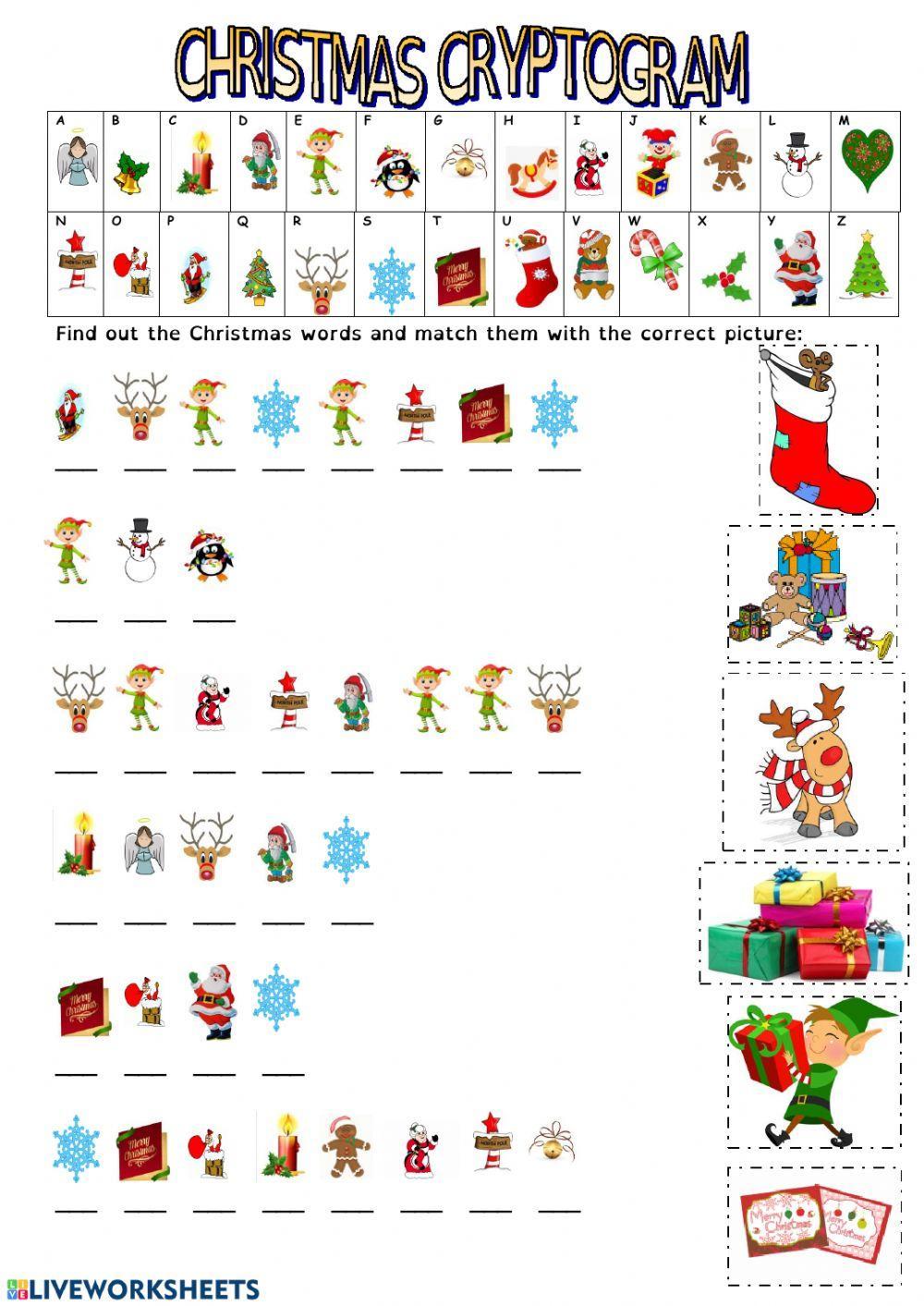
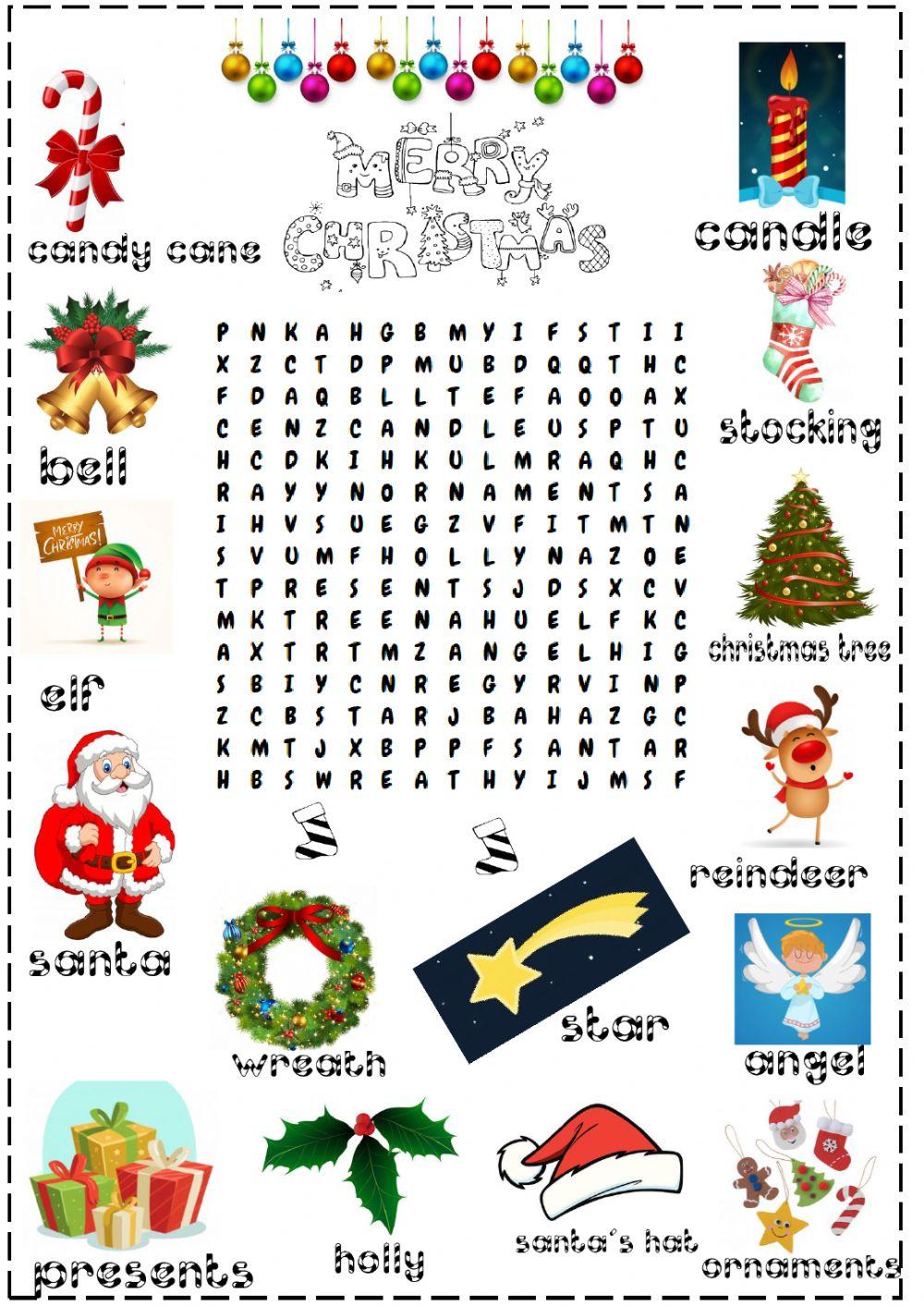
Now, have fun with this interactive worksheets and games!


martes, 9 de diciembre de 2025

Unit 3 - Health Matters

Unit 3: Health Matters

Let’s learn about health, the past and different jobs!

En esta unidad vamos a trabajar temas muy importantes y 煤tiles para nuestra vida diaria: c贸mo hablar de salud y bienestar en ingl茅s, c贸mo contar cosas que pasaron en el pasado usando el past simple, y tambi茅n descubriremos profesiones relacionadas con ayudar a otros.


馃┖ 1. Vocabulary: Health, Illness & Well-being

A lo largo de estas semanas aprenderemos vocabulario para expresar c贸mo nos sentimos y hablar de peque帽as enfermedades muy comunes. Practicaremos c贸mo preguntar, contestar y dar consejos sencillos.

Palabras clave que veremos:

  • healthy / unhealthy

  • a headache, a stomach ache, a toothache, a sore throat, a cough, a cold, fever, tired, weak

  • take medicine, rest, drink water, stay in bed

Ejemplos 煤tiles:

  • I have a headache.

  • I feel sick.

  • You should drink water


2. Grammar: Past Simple (Regular & Irregular Verbs)

En esta unidad empezamos a hablar del pasado simple, una de las estructuras m谩s importantes en ingl茅s. Nos permite contar cosas que ya ocurrieron.


馃敼 Verbos regulares

Los verbos regulares forman el pasado a帽adiendo -ed:

  • play → played

  • visit → visited

  • talk → talked


馃敼 Verbos irregulares

Los verbos irregulares no siguen una regla fija. Aprenderemos algunos de uso frecuente:

  • go → went

  • have → had

  • see → saw

  • eat → ate

  • feel → felt


✔️❌ 3. Affirmative & Negative in Past Simple

馃敻 Afirmativa

Sujeto + verbo en pasado

  • I visited the doctor yesterday.

  • She felt sick last night.

馃敻 Negativa

Sujeto + didn’t + verbo en infinitivo

  • I didn’t feel well.

  • He didn’t go to school.

馃憠 didn’t ya marca el pasado, por eso el verbo va sin -ed.


馃‍⚕️ 4. Jobs: People Who Help Us Stay Healthy

Relacionaremos el vocabulario de salud con las profesiones que cuidan de nosotros.

Trabajos que veremos:

  • doctor

  • nurse

  • dentist

  • paramedic

  • pharmacist

  • vet

Ejemplo:
The nurse helped the patient.
The dentist didn’t work yesterday.


馃幆 ¿Qu茅 conseguiremos con esta unidad?

Al finalizar la unidad, el alumnado ser谩 capaz de:

✔️ Hablar sobre c贸mo se siente y comprender vocabulario de bienestar y enfermedad.
✔️ Explicar acciones del pasado utilizando past simple (verbos regulares e irregulares).
✔️ Construir frases afirmativas y negativas en pasado.
✔️ Conocer las profesiones del 谩mbito de la salud y describir lo que hacen.


Y para finalizar, vamos a poner a prueba lo que hemos aprendido con estos juegos:


TECHNOLOGY

馃實 Technology in our daily life  Techology is part of our daily lives and helps us in many tasks. This week we are going to learn some new t...